Resources


Book Chapters & Articles

Characteristics of a Relational Child and Youth Care Approach
From CYC-Online, Issue 236
By Thom Garfat, James Freeman, Kiaras Gharabaghi & Leon Fulcher
Relational practice is a co‑created, in‑the‑moment process (described as the “in‑between between us”) where learning and growth emerge through shared daily experiences. This article outlines 25 characteristics within a framework of being, interpreting, and doing, integrating insights from practitioners around the world and emphasizing cultural humility and relational safety. It envisions relational care as a way of being in the world with others, offering a clear, practical foundation for supervisors seeking to strengthen a relational milieu or team approach in their work with young people and families.
Supervision as an Act of Service
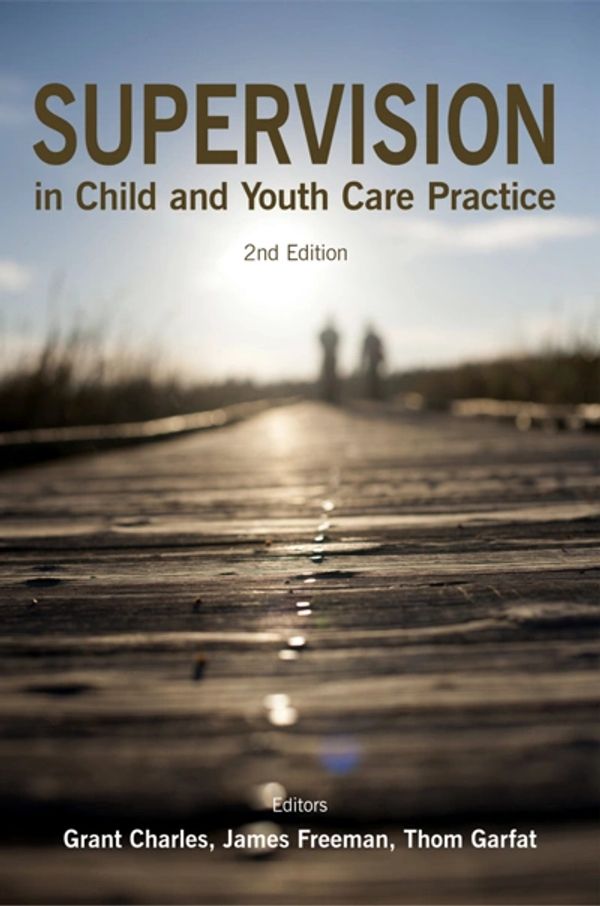
From Supervision in Child and Youth Care Practice, 2nd Edition (2026)
By James Freeman & Kelsie Tatum Martinez
This chapter frames supervision as a relational act of service that strengthens staff, builds trust, and improves care for young people and families. Freeman and Tatum Martinez show how supervisors who lead with presence, respect, and curiosity create conditions where practitioners feel safe enough to learn and grow. Supervision becomes an extension of relational practice, shifting leadership from authority to influence and from control to modeling relational integrity.
Unspoken Realities of Becoming a New Supervisor
From Supervision in Child and Youth Care Practice, 2nd Edition (2026)
By James Freeman & Toné Reyes
This chapter explores the transition from practitioner to supervisor, highlighting how the shift reshapes identity, relationships, and daily rhythms in ways that can feel disorienting and lonely at first. Freeman and Reyes describe the early tension between excitement and overwhelm, the redefinition of boundaries with former peers, the weight of new system pressures, and the emotional labor of becoming the steady point for others. The authors note that “the distance between where you were and where you’re going can feel overwhelming at first,” yet with reflection, relational awareness, and intentional growth, new supervisors develop a deep, steady influence that strengthens both staff and the care offered to young people and families.
Children in Care in the United States
From Jugendhilfe, Issue 57
By James Freeman
This chapter outlines the landscape of children in care across the United States, highlighting regional disparities in both resources and outcomes. It traces the country’s demographic context, the historical development of child protection systems, and major federal laws such as Child Abuse Prevention and Treatment Act, the Indian Child Welfare Act, and the Family First Prevention Services Act. Current reform efforts, including California’s Continuum of Care Reform, are examined alongside emerging challenges in mental health access, crisis stabilization, and transitional supports for older youth. The article emphasizes the need for stronger relational practice, workforce development, and youth‑centered approaches within evolving child welfare systems.
Making Mealtimes Meaningful
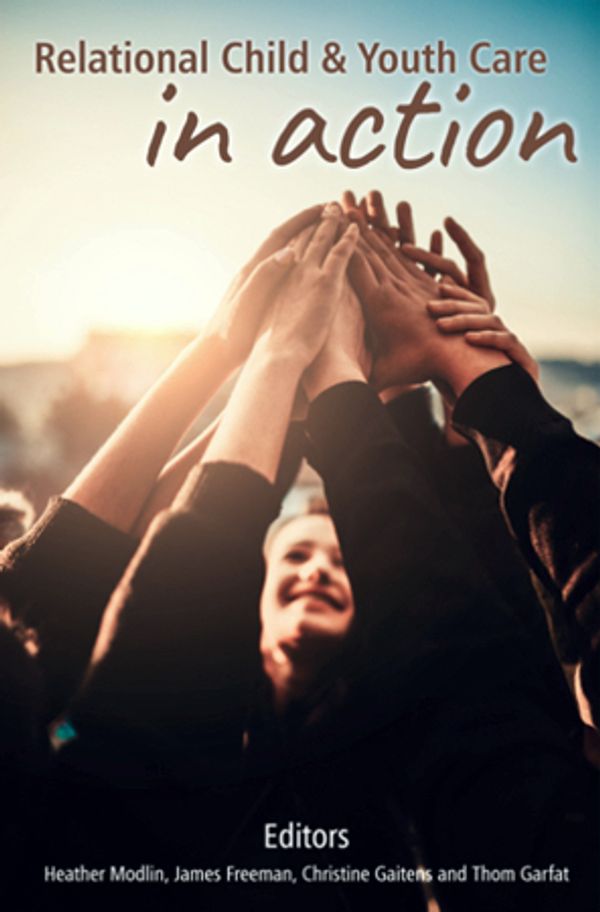
From Relational Child and Youth Care in Action
By James Freeman
This chapter explores mealtimes as powerful daily life experiences that communicate caring, mattering, and belonging for young people in care. It illustrates how intentional rituals and shared preparation can create restorative rhythms, strengthen trust, and offer developmental opportunities. Mealtimes become relational spaces where youth feel seen, valued, and connected, whether through favorite dishes, collaborative grocery shopping, or group practices that reinforce inclusion. Even amid life stressors, mealtime routines remain a steady anchor, offering moments of presence and cultural safety that support healing and hope.
Platform Two
From Stories from the In-Between: Relational Practice Teaching Tales
By James Freeman
This story captures an unexpected moment of connection on a cold, deserted train platform, illustrating how relational practice can emerge naturally in ordinary life. A delayed train leads to a brief encounter between two strangers, where presence, listening, and mutuality create a sense of safety without history or an agenda. Through shared conversation and simple acts of support, the moment becomes an example of how connection “is something we allow, not something we manufacture.” Platform Two highlights the power of relational practice in unstructured spaces and reminds practitioners that meaningful encounters often arise when we slow down, stay present, and meet others where they are.
Podcasts
.png/:/rs=w:400,cg:true,m)
Leading from the Inside Out
A 10-part series featuring James Freeman on relational, healing-centered leadership for organizations serving youth and families. Each episode will help you grow to your next level of influence. Grounded in the relational, high‑stakes realities of our field, where how leaders show up matters as much as what they do.
Episodes
What is Leadership?
The Journey of Self‑Awareness
Receiving Feedback as a Growing Leader
Problematic Leadership Traits and Their Belief Source
Leading from an Empowered State
Lifestyle Habits to Lead for the Long Term
Trauma and Healing in the Organization
Power, Inclusion, and Psychological Safety
Being an Adaptive Leader
Stepping Forward Visualization